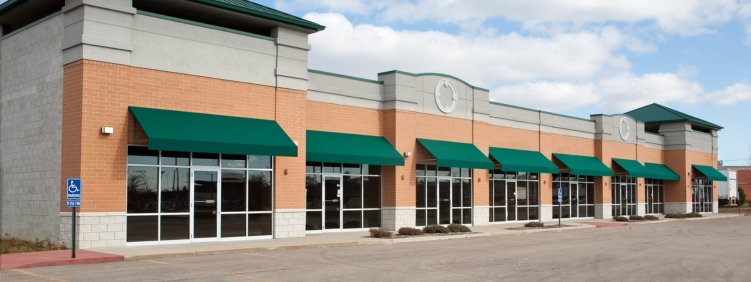
Whether you lease or own, property taxes on both real estate and personal assets can quickly become your highest recurring expense. Many assessments are outdated, miscalculated, or non-compliant. Leyton helps you challenge inaccurate valuations, reclaim overpayments, and plan proactively without interrupting your day-to-day operations.
Thank you for filling out the form
Property tax is a recurring financial obligation levied by local governments based on the assessed value of real and personal property assets. For businesses, this includes both real estate (e.g., land, buildings) and tangible personal property (e.g., equipment, machinery).
Leyton helps organizations navigate this fragmented landscape, identifying recovery opportunities and delivering end-to-end compliance support.
Property taxes represent a significant recurring expense for businesses. Whether you’re managing a national commercial real estate portfolio or navigating personal property tax filings, Leyton’s team identifies opportunities to minimize costs, ensure compliance, and recover overpayments.
Engage an advisor to challenge inflated valuations, correct errors, and reduce your tax burden through appeals.
Professional guidance ensures transactions are structured to minimize tax exposure and uncover hidden liabilities.
Leyton helps navigate inconsistent regulations and identifies savings opportunities across regions.
Specialists can optimize asset classifications and depreciation to avoid overassessment and reduce taxes.
Advisors manage audits, defend your position, and reduce the risk of costly penalties.
Tax reviews can uncover savings that lower fixed costs without cutting jobs or operations.
Outsourcing ensures compliance, timely filings, and frees up internal teams for strategic work.
Commercial property tax is an annual levy on business real estate such as offices, warehouses, and retail buildings, based on market or income value, and is a major fixed operating cost.
Personal property tax is a tax on tangible movable assets used in the operation of a business. These include equipment, machinery, computers, furniture, vehicles, and leasehold improvements.
Reclassifying parts of a commercial building as personal property through cost segregation can significantly lower property taxes and should be promoted to enhance tax efficiency.
With over 25 years of experience in client development and management, François Huot has built a distinguished career at the intersection of financial services, tax advisory, market expansion, and relationship management. For the past decade, he has focused on property tax strategy and compliance, becoming a recognized expert in tax assessments and optimization, leading the business line at Leyton.

Francois Huot
Strategic Director, Real Estate Consulting ServicesAll you need to know about Property Tax.
Can’t find the answer you’re after? Please contact our team
Property tax is a locally assessed tax imposed on real estate by municipalities. It is typically paid by property owners, including businesses that own commercial or industrial real estate.
Many property owners overpay due to incorrect assessments, overlooked exemptions, or changes in property use. A professional review identifies savings opportunities and ensures you’re not subsidizing an inaccurate valuation.
Property taxes are calculated based on the assessed value of the property, which is determined by the local taxing authority, multiplied by the local tax rate (mill rate). However, assessments are often outdated or misaligned with current market conditions, creating opportunities for appeal.
In the United States, the terms “real estate tax” and “property tax” are often used interchangeably, but there is a technical distinction. Real estate tax refers specifically to taxes assessed by local governments on land and permanently attached structures, such as buildings. Property tax, on the other hand, is a broader term that can also include taxes on tangible personal property such as equipment, machinery, or business assets, depending on the laws of the specific state or jurisdiction.