
Unlocking Refunds: What U.S. Importers Need to Know About the ...
In early 2026, a U.S. court decision opened the door to significant duty refunds for many importe...
Change your region and language
Be sure to pick the location that matches your preferences.


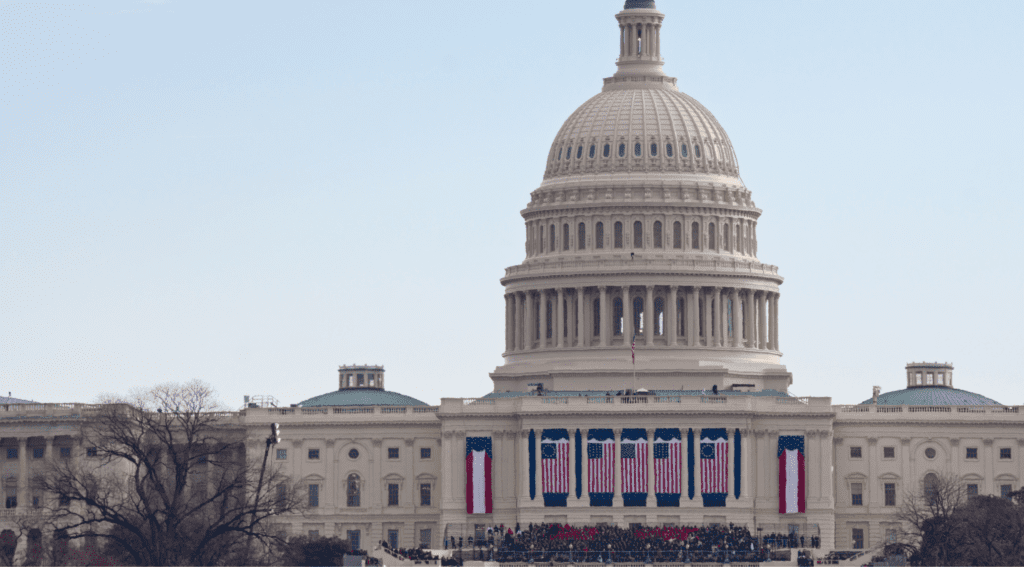
Upon his inauguration, President Trump was quick to sign numerous Executive Orders and issue several memoranda. Many of these are aiming at rescinding several of former President Biden’s policies. The orders and memoranda cover various issues ranging from environmental matters to implementing federal workforce reforms and federal regulatory action. Below is a brief discussion of some of these changes.
President Trump signed the “Unleashing American Energy” Executive Order to shape federal energy policy. This move aligns with his promise to “drill, baby, drill.” The Executive Order revokes numerous Biden Administration orders and programs related to climate and the environment. This Order announces a new policy to promote fossil fuel production, including on federal lands and in federal waters. It also promotes aiding critical mineral production and ending federal support for electric vehicles. It calls for calculating the domestic impacts of regulations without considering climate change effects in other countries. The Order instructs federal agencies to review their programs, regulations, and actions to align with these policy goals.
The Executive Order also seeks to facilitate American mining of non-fuel minerals. It directs federal agencies to identify and eliminate actions that burden domestic mining.
Another significant provision in the Executive Order has caused considerable debate. It directs federal agencies to pause disbursements of funds under the Inflation Reduction Act (IRA) of 2022 and the Infrastructure Investment and Jobs Act (IIJA) of 2021. According to Section 7 of the Order, agencies must suspend grants, loans, and other financial mechanisms under the IRA. This includes funding for electric vehicle infrastructure. The suspension will remain in place until a 90-day review is completed to ensure alignment with the administration’s energy policy.
This freeze on disbursement of funds led to an immediate backlash. It is causing the Office of Management and Budget to issue clarification that the pause only applies to funds supporting programs, projects, or activities that may be implicated by the policy established in Section 2 of the Executive Order. Section 2 of the Executive Order outlines goals to develop affordable and reliable energy and natural resource production in the United States. It includes objectives to “eliminate the ‘electric vehicle (EV) mandate’” and to “safeguard the American people’s freedom to choose . . . goods and appliances.
This pause on funding leaves unresolved questions regarding current ongoing projects, and whether obligated funding will still be available. There will likely be an influx of potential litigation to preserve current projects funded and obligated to be funded.
There is another Executive Order called “Declaring a National Energy Emergency”. This order addresses the need to reduce energy costs as a rationale for promoting oil and natural gas production. This requires the heads of federal agencies and executive departments to “identify and exercise any lawful emergency authorities available to them, as well as all other lawful authorities they may possess”. This is to facilitate and expedite the identification, leasing, siting, production, transportation, refining, and generation of domestic energy resources, including on federal lands.
The Order directs agencies to utilize their statutory emergency powers to speed up development and authorization of energy projects. It defines “energy” as: “crude oil, natural gas, lease condensates, natural gas liquids, refined petroleum products, uranium, coal, biofuels, geothermal heat, the kinetic movement of flowing water, and critical minerals. It calls for review of “obstacles to domestic energy infrastructure” from environmental protections like the Endangered Species Act or the Marine Mammal Protection Act.
Another environmental policy change is titled “Temporary Withdrawal of All Areas on the Outer Continental Shelf from Offshore Wind Leasing and Review of the Federal Government’s Leasing and Permitting Practices for Wind Projects”. This temporarily bans leasing any area of the Outer Continental Shelf (OCS) for offshore wind development. The memorandum does not affect rights under existing leases. However, the US Secretary of the Interior is to identify any legal basis for modifying these rights. Such review will cover ecological, economic, and environmental necessity of terminating or amending any existing leases. It also shall identify any legal basis for such revisions or termination.
The Secretary of Interior is to assess the environmental impact of three things. These include: onshore and offshore wind development, the economic costs of intermittent electricity generation, and the effect of subsidies on wind industry viability. The Secretary of Interior, the US Secretary of Energy, and the Administrator of the EPA are to assess the environmental impact and cost of defunct and idle windmills. They will also review all federal wind leasing and permitting practices.
President Trump issued an order declaring a “Hiring Freeze” for certain civilian federal employees. The President’s Executive Order will last at least 90 days for all federal agencies, except for the Internal Revenue Service (IRS). The freeze will remain in effect for the IRS until the Treasury Secretary determines to lift the order. In other words, no definitive timeline is provided as to when the IRS could hire more employees.
The hiring freeze on the IRS is in stark contrast from former President’s Biden policies to hire more IRS agents in order to focus on modernization and tax compliance for large corporations, high earners, and wealthy non-filers. The impact of this freeze on hiring more employees in the IRS will likely result in inefficiencies and inabilities to timely process returns, refund claims, and resolve audits. The IRS is already backlogged on its cases, and is extremely far behind the eight ball on processing and refunding legitimate employee retention tax credit claims.
A separate Executive Order directs government agencies to halt the sending of any new regulations to the Federal Register. The Executive Order requires two things. The first is (1) no agency propose or issue any rule without review and approval of an agency head appointed or designated by President Trump. The second is (2) any rule submitted to the Federal Register but not yet published be withdrawn pending review. The Order also suggests that agencies postpone the effective date of rules already issued by 60 days.
IRS Treasury Regulations are directly impacted by this Order. The IRS and Treasury Department issue Treasury Regulations to guide new legislation and address issues with existing tax codes. Regulations interpret and give directions on complying with the law. These Regulations are published in the Federal Register. This freeze will impede the Treasury Department and the IRS from issuing tax regulations.
It is unknown how quickly these Executive Orders will take effect. We will continue to actively monitor these developments. We anticipate businesses will likely challenge certain portions of these Executive Orders in courts.
It is important to be aware of these new policies as the Trump Administration, along with the Republican led Congress, will seek to enact legislation that align with these policies.
Want to discuss these further? Book a meeting with our experts today!
Explore our latest insights
See more arrow_forward
In early 2026, a U.S. court decision opened the door to significant duty refunds for many importe...

The practical impact of the landmark decision in South Dakota v. Wayfair, Inc. et al.,138 S. Ct. ...

See if you can apply for NIH grants if you are conducting research projects aimed at advancing sc...

Claiming the Section 41 Research Tax Credit can significantly boost your company’s cash flow. How...