


A multinational business may manage investment globally while pursuing innovation incentives country by country. Engineering teams collaborate across borders, technology platforms serve several markets, and capital expenditure follows a group strategy. Yet the funding supporting those activities often sits within separate local finance teams, advisers, and application processes.
That disconnect can leave leadership with an incomplete picture of the support available, the cost of securing it and the cash it could release for reinvestment.
A coordinated incentives strategy brings that picture together. It helps businesses connect local opportunities to their wider growth ambitions while maintaining the technical expertise each jurisdiction requires.
Funding Belongs in The Investment Conversation
The starting point is understanding what the business intends to build, improve or commercialize.
For an industrial group, that might mean developing a manufacturing process across several plants while investing in more efficient equipment. For a technology business, it could involve software development distributed between engineering teams in different countries. An investment group may need to assess opportunities across portfolio companies with very different levels of maturity.
Each situation calls for a view across projects, entities and expenditure. R&D tax incentives, grants and relevant IP regimes may support different elements of the investment. Energy incentives and capital allowances may also warrant consideration.
Routes that may support different parts of one investment
R&D tax incentives
Technical work carried out across entities and sites
Grants
National and European programmes
IP regimes
Patent Box and similar regimes
Energy incentives
Efficiency and sustainability investment
Capital allowances
Relief on equipment and assets
Reviewing these routes early allows funding to inform the business case while choices remain open. Leadership can assess the potential net cost, timing of support and conditions attached to it before committing resources. Any combination of incentives must then be tested against local eligibility and funding-interaction rules.
Central Coordination with Local Accountability
The value of a single international partner comes from how the work is organized.
A central team should connect the group’s investment priorities with local specialists, establish responsibilities and maintain a consolidated view of progress. Local teams assess eligibility, prepare the required evidence and manage jurisdiction-specific submissions and authority enquiries.
Central team
One point of accountability for headquarters
- Connects the group’s investment priorities with local specialists
- Establishes responsibilities
- Maintains a consolidated view of progress
One shared understanding of each project
Local specialists
Direct access to people who understand each market
- Assess eligibility
- Prepare the required evidence
- Manage jurisdiction-specific submissions
- Handle authority enquiries
This gives headquarters a clear point of accountability while preserving direct access to the people who understand each market.
It also helps address questions that individual country reviews can miss. Which entity commissioned the research? Where did the work take place? Who owns the resulting IP? How do intercompany arrangements affect the analysis? A shared understanding of the project helps local teams reach positions that reflect the same underlying facts.
For an acquisitive group, the same approach provides a repeatable way to bring newly acquired businesses into the funding strategy without requiring every local finance team to start again.
A shared understanding of the project helps local teams reach positions that reflect the same underlying facts.
Less Duplication and Better Visibility
Multinational engagements can place considerable demands on finance and technical teams. Separate advisers may request similar information in different formats, run overlapping interviews and report progress on incompatible timelines.
Coordinated delivery can reduce that burden through shared project information, aligned requests and a clear schedule of local requirements. Consolidated reporting should distinguish opportunities under assessment, applications submitted, benefits secured and cash received. That gives leadership a more useful basis for forecasting and investment planning.
What consolidated reporting should distinguish
Under assessment
Opportunities being tested against local rules
Applications submitted
Filed with the relevant authority
Benefits secured
Support approved or agreed
Cash received
Available to reinvest
Commercial oversight improves too. Comparing scope, fees and responsibilities across countries helps procurement and finance assess the total cost of delivery, including the internal effort required.
Data governance deserves the same attention. A coordinated engagement provides an opportunity to agree access permissions, transfer arrangements and retention responsibilities. Those controls must be explicit and verified, particularly where sensitive technical information crosses borders.
A Practical Route to Growth
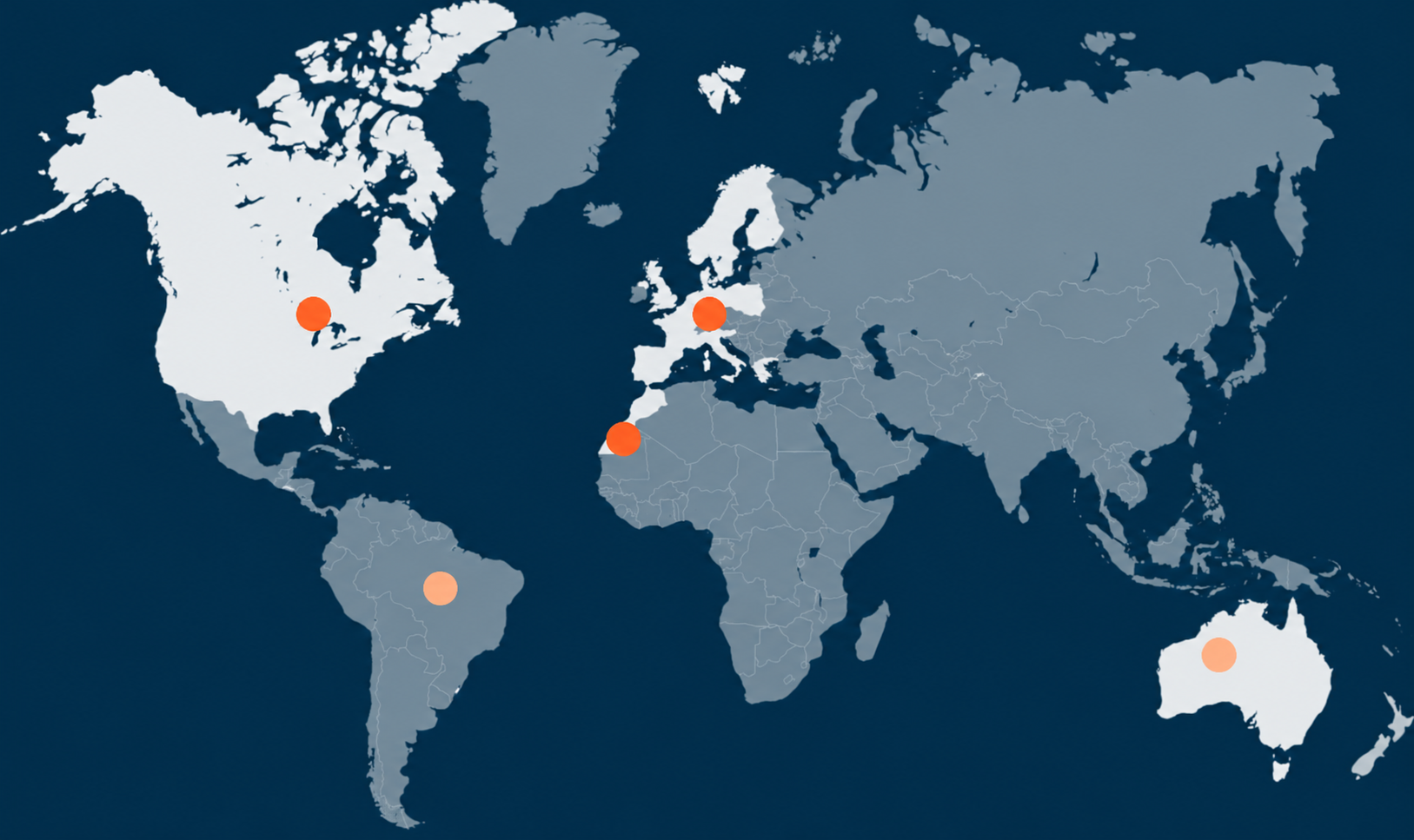
At Leyton, our international approach combines central coordination and consolidated reporting with local incentive expertise and sector-specific technical understanding. We connect the group-level investment agenda to the teams responsible for delivering it in each jurisdiction.
One partner across your markets, with local expertise on the ground
The first step is often a focused review of priority markets, major projects and existing incentive coverage. This establishes where support is already working, where gaps may exist and which opportunities justify further investigation.
For multinational leadership teams, the question is whether the funding strategy reflects the full ambition of the business. Bringing incentives into investment planning creates a clearer basis for deciding what to fund next, where to deploy capital and how to support growth without issuing additional equity.