What Is Section 179D Tax Deduction
and Who Can Benefit From It?
The Energy-Efficient Commercial Building Tax Deduction, also known as Section 179D, is a federal incentive designed to promote energy efficiency in commercial buildings.
If you design energy-efficient buildings for government, nonprofit, or other tax-exempt organizations, you may be eligible to receive an allocated Section 179D tax deduction. Leyton assists architects, engineers, and design-build firms in identifying qualifying projects, calculating eligible deductions, and preparing the necessary documentation to support their claims.
179D Sunsetting
To lock in these rates before the sunset, owners must satisfy the IRS“Start of Construction” requirements by June 30, 2026. This is typically achieved via:
The Physical Work Test (significant on-site work)
The 5% Safe Harbor (incurring 5% of total project costs)
Eligibility
What Energy Saving Measures
Are Eligible for §179D?
01Interior Lighting Systems
Interior Lighting Systems
Upgrading or installing lighting systems to more energy-efficient technologies, such as LED lighting, that reduce energy consumption.
02HVAC Systems
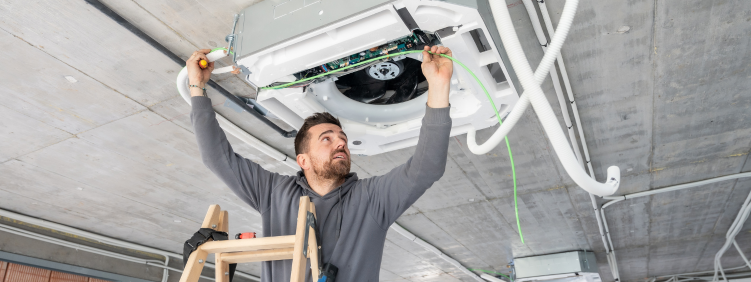
HVAC Systems
Installing new equipment or implementing improvements in heating, ventilation and air conditioning systems to optimize energy usage.
03Building Envelope
Building Envelope
The building envelope includes components such as walls, roofs, insulation, windows, and doors that help reduce heat transfer, improve energy efficiency, and lower heating and cooling demands.
look-back period
Can I Claim Section 179D Tax Deduction for Improvements Made Several Years Ago?
Yes, you can. For commercial building owners, if your building meets the eligibility criteria and the improvements were made after January 1, 2006, you can still claim the 179D Tax Deduction. For eligible designers of nontaxable property, there is only a three-year look-back period. It’s never too late to explore potential savings.
Why Leyton
Trusted by Leading Real Estate Investors
29+
Years of Experience
20
Countries
10,000+
Energy Modeling
$500M+
Saved on Tax
How to Claim
What Documentation Is Required to Claim?
For buildings placed into service after 2023, the maximum deduction has increased to $5.81 per square foot, up from the previous limit of $1.88 per square foot. For example, if your qualified project covers 50,000 square feet, you could potentially receive up to $250,000 in tax deductions.
Certification Statement
Certification statement from a qualified individual or firm stating that the building meets the energy-efficiency requirements
Energy Modeling Reports
Materials and consumables used during qualified research, testing, and development processes.
Supporting Documentation
Any other supporting documentation required by the Internal Revenue Service (IRS)
Our Process
Leyton Section §179D Process
Our process has no upfront retainer or payment. Invoiced after delivery of your report.
01.
Feasibility Assessment
Conduct a feasibility study to determine the project’s eligibility and likelihood of qualifying for the Section 179D deduction.
02.
Building Energy Modeling
Develop a detailed energy model of the building using DOE-approved software to evaluate projected energy performance.
03.
Site Inspection & Certification
A licensed Professional Engineer (PE) performs a site inspection to validate the energy model and certify that the building meets Section 179D requirements.
04.
Final Report & Documentation
Prepare and deliver a comprehensive report summarizing the analysis, certification, supporting documentation, and all required Section 179D forms.
Trusted by 10,000+ Real Estate Investors
Hear From Our Clients
Supporting clients through every step of their Section 179d Tax Deduction journey.
John Schilling Manager/Principa @DDA development
“The highlights of working with Leyton were great communication, easy-tounderstand process/schedule, and overall professionalism from all team members.”
Nerin Kadribegovic FAIA @Kadre Architects
“The Leyton Team was awesome throughout, guiding us seamlessly through the process. I especially enjoyed working with Cedric, who understood how busy I was, so he fed me questions in a way that I could digest and process.”
Serge Sinanian Executive Vice President @Sinanian Development
“Leyton made a complicated-sounding process very simple and straightforward. We provided the relevant documents, had a discussion and they handled the rest”
Akash Basin
Founder @Bhasin Properties
“Leyton made the whole process very easy for the business owner. All we had to do was supply them with the necessary information and accommodate a site visit and they took care of everything else including breaking down the tax forms for our accountant.”
Neil Kapadia Principal @ViaNova Development
“The Leyton Team was awesome throughout, guiding us seamlessly through the process. I especially enjoyed working with Cedric, who understood how busy I was, so he fed me questions in a way that I could digest and process.”
Our experts have conducted over 10,000 energy studies, including energy modeling, site inspections, and certifications of results. We would love to answer all of your questions.
Can I claim the 179D Tax Deduction if my building has already received other energy-related incentives or rebates?
Yes, you can still claim the 179D tax deduction even if your building has received other energy-related incentives or rebates. However, it’s important to note that you cannot “double-dip” and claim the same expenses for both the 179D deduction and other incentives. You must adjust the total deduction amount to avoid duplication and ensure compliance with tax regulations.
Can I claim the 179D Tax Deduction if my building has already been certified under LEED or other green building programs?
Yes, certification under Leadership in Energy and Environmental Design (LEED) or other green building programs does not disqualify you from claiming the 179D tax deduction. The certification process for programs like LEED often involves meeting or exceeding certain energy-efficiency standards, which can align with the requirements for the 179D deduction. By demonstrating compliance with these programs, you may also have the documentation needed to support your 179D tax deduction claim.
Can I claim the 179D Tax Deduction for retrofits that were performed several years ago, but the building is still in use and meets the energy-efficiency requirements?
Yes, you can claim the 179D tax deduction for retrofits performed in previous years, as long as they meet the required energy-efficiency standards and fall within the qualifying period (January 1, 2006, to December 31, 2023). There is no time limitation for claiming the deduction, so if your building improvements qualify, you can still take advantage of the savings even for older retrofits.