


Additive manufacturing (AM) is behind the optimization and improvement of the quality of metal objects produced; In fact, it is a significant topic in several industries.
Applications of Additive Manufacturing
The mechanical properties of AM products under varied loads are crucial to their viability in a vast array of industrial applications. To achieve the intended mechanical functionalities, empirical process parameters and post-processing methods must be taken into account. Particularly beneficial for establishing processing plans and enabling optimal post-processing conditions, are numerical simulation-based techniques. Simulation methods at different scales are used for additive manufacturing processes and the optimization of product quality.
Benefits of Additive Manufacturing
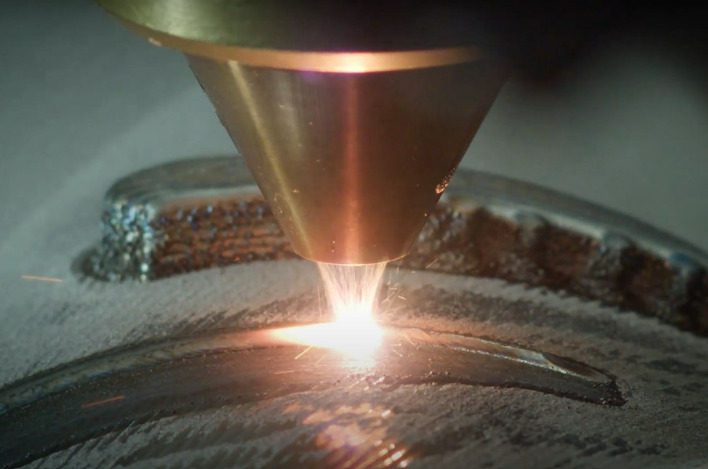
When compared to traditional production methods, additive manufacturing of metallic components has many advantages, including design freedom and little material waste. This has led to a renewed focus on the raw materials used to make an extremely diverse set of structural alloys. Concurrently, for widespread usage of AM-fabricated metallic structural components, it is crucial to define the processing – microstructure – mechanical performance linkages, together with features such as flaws, residual stresses, and mesostructures.
Consequently, the current state of knowledge about structure-property correlations in AM alloys is available. The structural integrity of AM alloys, measured by characteristics like near-threshold fatigue crack development rate, fracture toughness, and fatigue strength, is largely determined by the interaction between microstructures and process parameters. Structure-property correlations of wrought and cast alloys are compared to these features.
Modifying AM processing settings or using post-processing treatments like annealing, hot-isostatic pressing, and shot peening are in discussion as ways to increase the alloys’ damage tolerance. It is acknowledged that there is still room for improvement in our knowledge of fatigue and fracture in AM alloys, which is crucial for widespread deployment and the trustworthy design of engineering components.
Companies that are innovating in this sector are likely to be eligible for several funding programs including government grants, and SR&ED.
Want to learn about funding opportunities for your project? Schedule a free consultation with one of our experts today!
Sources: