

Clean Economy Investment Tax Credits

The Canadian Government offers a variety of Investment Tax Credits (ITCs) for businesses investing in clean technology. At Leyton Canada, we help businesses fully leverage these tax credits to support their sustainable initiatives and maximize financial savings.

CLEAN ENERGY INCENTIVES

How it Works


The Canadian Government is offering $93 billion in federal support from 2024 to 2035 through the Clean Economy Investment Tax Credits. These incentives aim to encourage businesses to invest in clean technology, driving the transition towards a more sustainable and innovative economy.
Navigating the complexities of claiming the Clean Economy Investment Tax Credits can be challenging for your business. This is where Leyton Canada experts play a crucial role. Our team of experts helps you maximize your eligibility and benefit from various government incentives, especially the ITCs, ensuring you contribute to a greener future.

How it helps

THE FOUR CLEAN ECONOMY INVESTMENT TAX CREDITS

01 CT ITC CT ITC Clean Technology ITC

CT ITC CT ITC Clean Technology ITC

Up to 30% Mar 28, 2023 – Dec 31, 2033. Reduces to 15% in 2034.

CT ITC CT ITC Clean Technology ITC
02 CCUS ITC CCUS Tax Credit

CCUS ITC CCUS Tax Credit

Up to 60% Jan 1, 2022 – Dec 31, 2030. Administered by CRA and NRCan.

CCUS ITC CCUS Tax Credit
03 CH ITC Clean Hydrogen ITC

CH ITC Clean Hydrogen ITC

Up to 40% Rate varies by carbon intensity. Mar 28, 2023 – 2033.
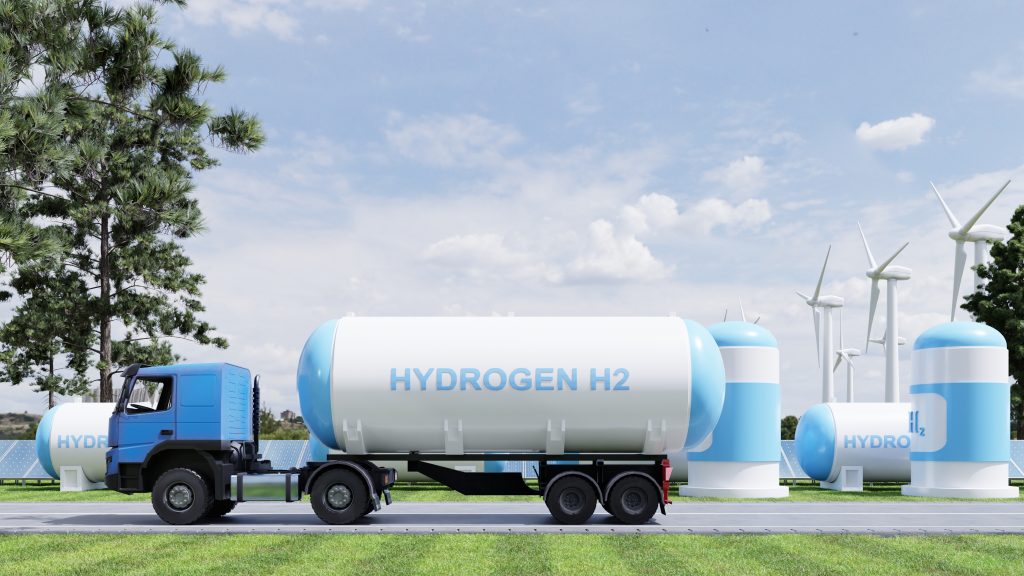
CH ITC Clean Hydrogen ITC
04 CTM ITC Clean Technology Manufacturing ITC

CTM ITC Clean Technology Manufacturing ITC

Up to 30% 2024–2031, reducing over time. No labour requirements.
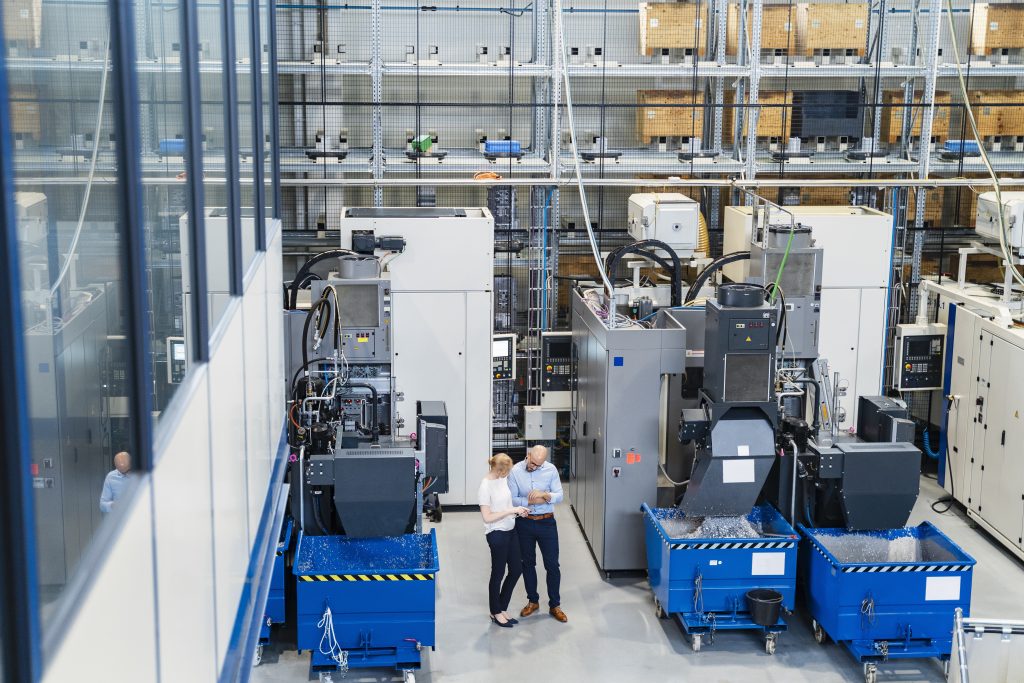
CTM ITC Clean Technology Manufacturing ITC

Leadership, Quantified

Our Impact in Figures

28+

Years of Expertise

20

Countries

+65

Industries served

$1B+

Tax relief secured for clients

How it helps

Expenses That Qualify

Our in-house team of highly qualified tax and technical experts supports thousands of businesses each year in navigating complex incentives and maximizing financial returns

OUR METHODOLOGY

Your Path to Success

Leyton guides you from eligibility assessment to final refund — our experts manage every step of the Clean Economy ITC claim process.

01.

Determine eligibility

We assess your business type, project, location, and labour practices against each ITC’s specific criteria.

02.

Gather documentation

We collect project plans, financial records, proof of compliance, and NRCan evaluations where required (CCUS).

03.

Labour compliance review

We verify prevailing wage payments and Red Seal apprenticeship rates to protect your full ITC entitlement.

04.

Maximize stacking opportunities

We identify all applicable ITCs and stack eligible claims across CT, CCUS, CH, and CTM programs.

05.

Submit application

We complete and submit all application forms to the CRA or NRCan, managing every administrative step.

06.

Ongoing support & audit defence

We provide continued support throughout the review process and defend your claim if audited by CRA.

SECURE YOUR GREEN TAX CREDITS

Book a Free Assessment

Talk to a Clean Economy Investment Tax Credits expert. Our specialists will get in touch with you in less than 24 hours.

Clean Economy ITC FAQ

Frequently Asked Questions

Everything you need to know before working with us.

What types of Clean Economy Tax Credits are available?

  • Clean Technology ITC: Up to 30% refundable tax credit for investments in eligible clean technology projects.
  • Clean Hydrogen ITC: Up to 40% refundable tax credit for investments in clean hydrogen production.
  • Clean Technology Manufacturing (CTM) ITC: Up to 30% for property available for use from 2024 to 2031, reducing over time.
  • CCUS ITC: Up to 60% refundable tax credit for qualified carbon capture expenditures.

The CTM ITC encourages investment in capital for clean technology manufacturing in Canada. Available to taxable Canadian corporations. Labour requirements do NOT apply.

Rates: 30% (2024–2031), 20% (2032), 10% (2033), 5% (2034).

Eligible property includes machinery and equipment for manufacturing renewable energy equipment, EVs, electrical storage, and qualifying minerals.

The CCUS ITC aims to encourage investment in carbon capture, transportation, utilization and storage.

Rates: 60% (ambient air), 50% (other sources), 37.5% (transport/storage/use).

Expenditures Jan 1, 2022 – Dec 31, 2030.

Requires a qualified project plan and expected CO₂ capture for at least 20 years.

Encourages investment in clean hydrogen and ammonia production.

Rates vary by carbon intensity: 40%, 25%, or 15% for clean hydrogen property.

Clean ammonia equipment rate is 15%.

Available March 28, 2023 – 2033, halved for 2034, then 0%.

Labour requirements apply.

30% refundable tax credit for eligible property from March 28, 2023 – Dec 31, 2033.

Reduces to 15% in 2034.

Labour requirements: pay covered workers per collective agreement and ensure ≥10% Red Seal apprentices.

Non-compliance reduces the rate by 10 percentage points.

  • Type of business: Taxable Canadian corporation, partnerships, or mutual fund trusts.
  • Project eligibility: Investments in renewable energy, clean hydrogen, carbon capture, or CTM.
  • Location: Property must be in Canada, new, and not previously used.
  • Labour requirements: Prevailing wages and Red Seal apprentices (not applicable for CTM ITC).
  • Documentation: Project plans, financial records, and regulatory compliance proof.
  • Determine eligibility: Ensure your business and project meet the criteria.
  • Gather documentation: Project plans, financial records, and proof of compliance.
  • Submit application: Complete and submit forms to the CRA or NRCan.
  • Consult experts: Contact our tax credit experts to maximize your claim and ensure full compliance.

Small businesses in Canada may qualify for the Carbon Rebate Program, which offsets costs incurred from environmental taxes or sustainability investments.

This aligns with Canada’s commitment to reducing carbon emissions.

The 30% tax credit refers to the Clean Technology Investment Tax Credit (CT ITC).

It is a refundable tax credit designed to support businesses investing in eligible clean technology properties.

This program encourages the adoption of renewable energy and low-carbon technologies.